


Query cannibalization rarely announces itself with a dramatic traffic cliff.It shows up as a slow leak: impressions climb, clicks flatline, average position wobbles between two URLs, and nobody can explain why.
An over-optimized anchor text profile is a significant vulnerability in modern SEO, acting as a glaring signal to search engines that your backlink profile may be artificially manipulated. This condition, often characterized by an excessive concentration of exact-match commercial keywords like “best running shoes” or “affordable SEO services,“ can trigger algorithmic penalties or manual actions, eroding your site’s hard-earned rankings. The path to remediation is not about hastily deleting links but about initiating a careful, natural, and sustained strategy of diversification that aligns with how genuine, editorially given links are distributed across the web.
The foundational step in this process is a comprehensive audit. You must first understand the full scope of the issue by using a variety of SEO tools to export your backlink data. Analyze the percentage of your anchor texts that fall into the high-risk categories: exact-match keywords, partial-match variations, and generic commercial calls-to-action. This quantitative analysis provides a baseline. However, the qualitative assessment is equally crucial. You must evaluate the source of these links. Links with over-optimized anchors from reputable, relevant industry sites carry a different weight than those from low-quality directories or spammy blog networks. This audit will inform your prioritization, helping you distinguish between links that need to be addressed through outreach for removal or alteration and those that may be balanced out by future efforts.
With data in hand, the safest and most effective method for diversification is to earn new links with a natural and varied anchor text profile. This is a proactive, long-term solution that builds genuine equity. Focus on creating exceptional, link-worthy content such as original research, in-depth guides, data visualizations, or compelling tools. When you promote this content, you naturally attract links with a wide array of anchors. These will include branded terms (your company or brand name), naked URLs, generic calls-to-action (“click here,“ “learn more”), and long-tail, question-based phrases. The goal is to shift the overall distribution so that branded anchors become the largest single category, mirroring the profile of authoritative, trusted websites. This approach does not directly alter the existing problematic links but dilutes their concentration within a larger, healthier pool.
Concurrently, for the most egregious and risky existing links—particularly those from low-quality or irrelevant sites—a cautious disavowal process may be necessary. The disavow tool is a powerful last resort, not a standard cleaning solution. It should be used sparingly and only after attempts to contact webmasters for link removal have failed or are impossible. Indiscriminate disavowal can harm your site if you mistakenly disavow good links. Therefore, this process must be meticulous and well-documented. For over-optimized links from potentially relevant or higher-quality sites, consider a softer approach: outreach. Politely requesting a webmaster to change the anchor text to a branded term or a more natural phrase can be effective, especially if you maintain a positive relationship with that site.
Ultimately, the safest diversification is a shift in mindset from building links to earning them. View every new piece of content and every relationship as an opportunity to attract a natural link profile. Encourage partners to link to you using your brand name, and use varied, contextually relevant anchors in your own internal linking. This consistent, natural growth will gradually and safely recalibrate your anchor text distribution. The process requires patience, as search engines evaluate profiles over time, looking for sustained patterns of improvement rather than abrupt, suspicious changes. By prioritizing quality, relevance, and authentic engagement, you can transform an over-optimized anchor text profile from a liability into a robust, natural asset that supports long-term organic growth and insulates your site from algorithmic scrutiny.
Query cannibalization rarely announces itself with a dramatic traffic cliff.It shows up as a slow leak: impressions climb, clicks flatline, average position wobbles between two URLs, and nobody can explain why.
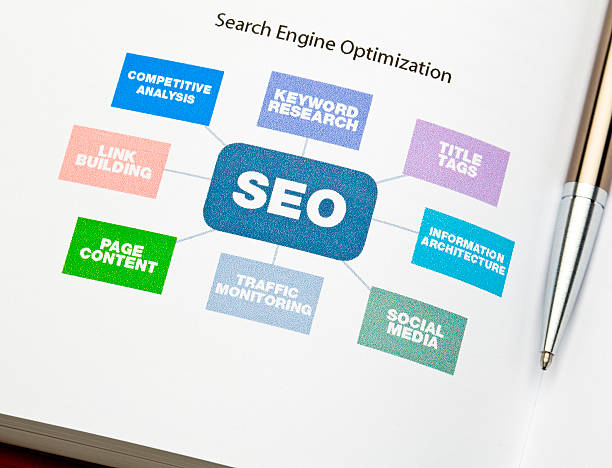
In the intricate and ever-evolving world of search engine optimization, few metrics generate as much curiosity and confusion as link velocity.At its core, link velocity is the rate at which a website acquires new backlinks over a specific period.

When most intermediate SEO practitioners audit URL structure, they default to a checklist: keyword present in the slug, hyphens separating words, no stop words, and a flat hierarchy if possible.That baseline is necessary but incomplete.
Get answers to your SEO questions.
